

Germans Are Buying More Electric Cars, but Not Teslas

Introduction
Tesla, once a dominant force in the European electric vehicle (EV) market, is currently facing a series of challenges that have led to a noticeable decline in sales across key regions. The company's recent performance has been influenced by a combination of political controversies involving CEO Elon Musk and increasing competition from other EV manufacturers.
Declining Sales in Key European Markets
Germany: A Significant Drop in Sales
In Germany, Tesla's sales have experienced a substantial decrease. According to recent data, the company sold only 1,210 vehicles in May, marking a 36.2% decline compared to the same period last year. This downturn is particularly concerning given that the overall EV market in Germany grew by nearly 45% during the same timeframe.
United Kingdom: Falling Behind Competitors
The United Kingdom has also seen a sharp decline in Tesla's sales, with a reported drop of over 45% in May. This decrease has resulted in Tesla falling to fifth place in the UK's EV market, trailing behind competitors such as Volkswagen, BMW, Audi, and Skoda.
France and Italy: Similar Downward Trends
Other European markets, including France and Italy, have mirrored this downward trend. In France, Tesla's vehicle deliveries declined by 67% year over year, while Italy saw a 20% drop in sales during the same period.
Factors Contributing to the Decline
Political Controversies Surrounding Elon Musk
Elon Musk's involvement in political matters has sparked controversy and may have negatively impacted Tesla's brand image in Europe. His public support for certain political figures and policies has led to consumer backlash, with some customers reconsidering their association with the brand.
Intensifying Competition from Chinese EV Manufacturers
Chinese EV manufacturers, such as BYD, have been gaining traction in the European market. In Germany, BYD's sales surged ninefold during the same period that Tesla's sales declined. This increased competition has put additional pressure on Tesla to maintain its market share.
Production and Supply Chain Issues
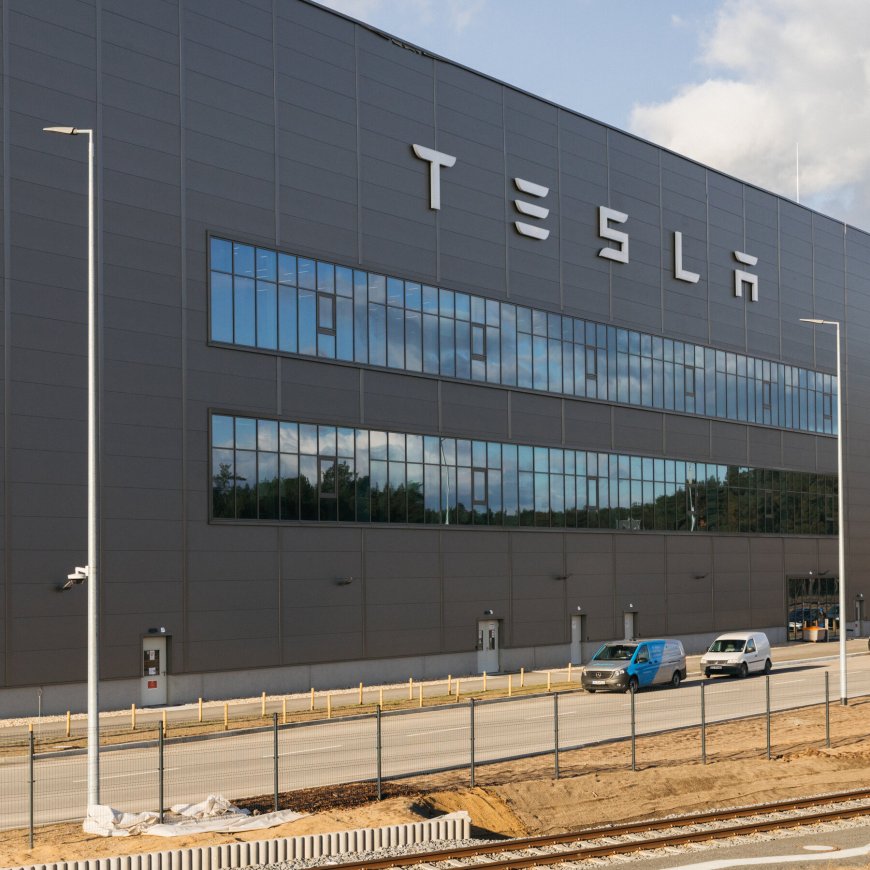
Tesla has also faced challenges related to production and supply chain disruptions. The company attributed some of its sales decline to limited inventory, particularly the sell-off of older Model Y stock and awaiting deliveries of the refreshed version from its Berlin factory.
Tesla's Response and Future Outlook
Introduction of the Refreshed Model Y
In an effort to revitalize sales, Tesla has introduced a refreshed version of its Model Y. The new model has already seen success in markets like Norway, where sales jumped 213% in May. Tesla anticipates that the updated Model Y will help boost sales in other European markets as deliveries commence.
Strategic Adjustments to Regain Market Share
Beyond product updates, Tesla is implementing strategic adjustments to address the challenges it faces. These include offering financial incentives in various European countries and focusing on improving production efficiency at its Gigafactory in Berlin.
Conclusion
Tesla's recent sales decline in Europe highlights the complex interplay of political, competitive, and operational factors affecting the company. While the introduction of the refreshed Model Y offers a potential path to recovery, Tesla will need to navigate these challenges carefully to regain its footing in the European EV market.
FAQs
1. What are the main reasons for Tesla's sales decline in Europe?
The decline is attributed to political controversies involving CEO Elon Musk, increased competition from other EV manufacturers, and production and supply chain challenges.
2. How has competition affected Tesla's market position?
Competitors, particularly Chinese EV manufacturers like BYD, have gained significant market share in Europe, offering alternatives that appeal to a broad range of consumers.
3. What steps is Tesla taking to address these challenges?
Tesla is introducing refreshed models, such as the updated Model Y, offering financial incentives, and focusing on improving production efficiency to regain market share.
4. Has the refreshed Model Y been successful in any markets?
Yes, the refreshed Model Y has seen success in Norway, with sales increasing by 213% in May, indicating potential for growth in other European markets.
5. What is the outlook for Tesla in the European market?
While challenges remain, Tesla's strategic adjustments and product updates may help the company recover and strengthen its position in the European EV market.
What's Your Reaction?
 Like
0
Like
0
 Dislike
0
Dislike
0
 Love
0
Love
0
 Funny
0
Funny
0
 Wow
0
Wow
0
 Sad
0
Sad
0
 Angry
0
Angry
0













Comments (0)