

New nanoparticle-based genetic delivery system targets lungs to treat cancer, cystic fibrosis

Introduction
Imagine a future where treating lung diseases like cancer and cystic fibrosis is as straightforward as delivering a package to the right address. Thanks to groundbreaking research from Oregon State University (OSU), this vision is becoming a reality. Scientists have developed a novel genetic delivery system that transports therapies directly to the lungs, offering new hope for patients battling these challenging conditions.
Understanding the Challenge
Lung diseases are notoriously difficult to treat due to the complexity of the respiratory system and the limitations of current therapies. Traditional gene therapy methods often struggle with delivering treatments effectively to lung tissues, leading to suboptimal results and potential side effects.
The Breakthrough at Oregon State University
In collaboration with Oregon Health & Science University and the University of Helsinki, OSU researchers have made a significant leap forward. They have engineered a new drug delivery system capable of transporting genetic therapies directly to lung cells, marking a pivotal moment in respiratory disease treatment.
The Science Behind the Innovation
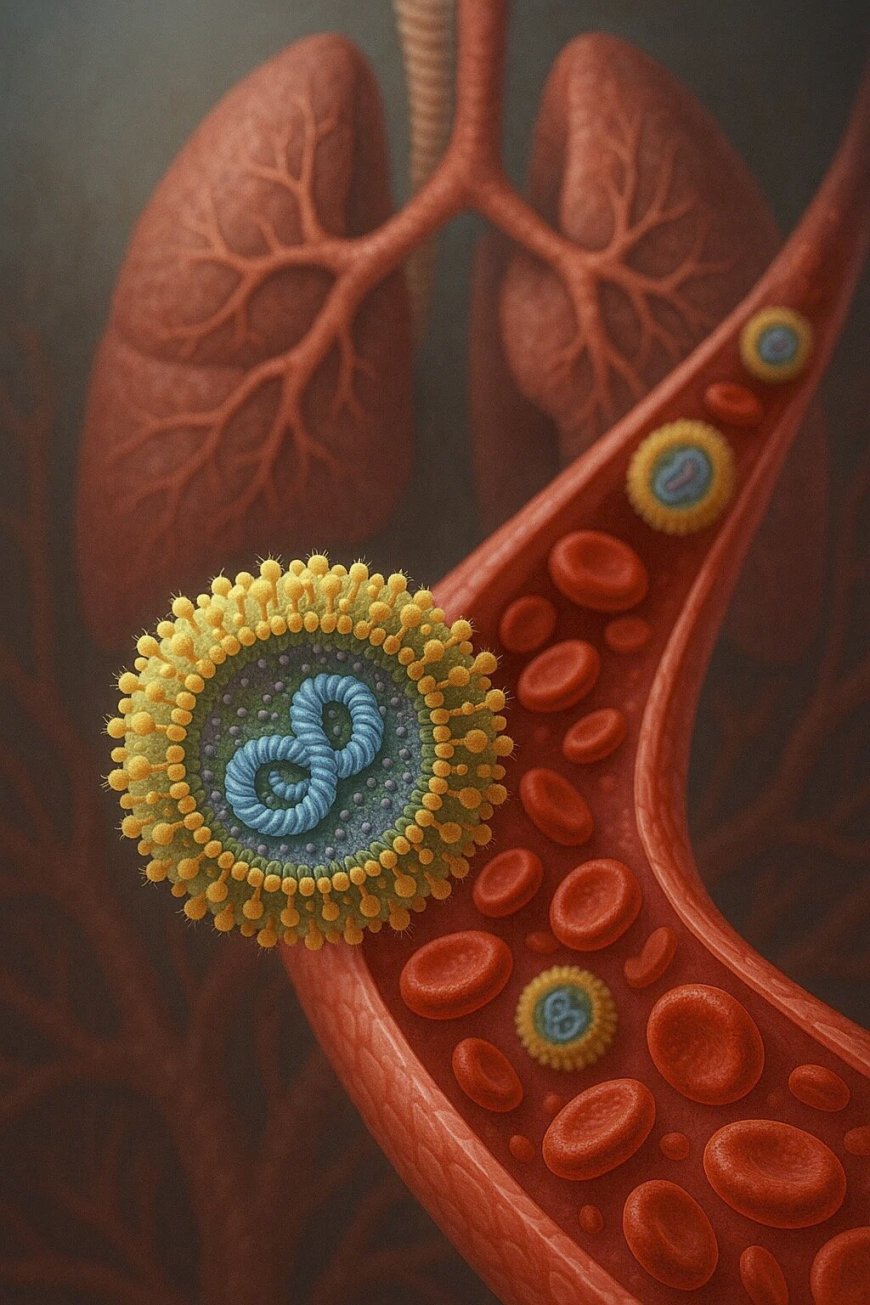
The research team embarked on an ambitious project, creating and testing over 150 different materials. Their efforts led to the discovery of a new type of nanoparticle that can safely and effectively carry messenger RNA (mRNA) and gene-editing tools to lung cells. This innovation ensures that the genetic material reaches its target without degradation or unintended effects.
Targeted Delivery to Lung Cells
By focusing on targeted delivery, the new system ensures that therapies reach the specific cells in the lungs that require treatment. This precision minimizes potential side effects and enhances the effectiveness of the therapy, akin to using a GPS to deliver a package directly to your doorstep.
Impact on Lung Cancer Treatment
In studies involving mice, the treatment demonstrated a remarkable ability to slow the growth of lung cancer. By activating the immune system to combat cancer cells, the therapy offers a promising avenue for patients, all without harmful side effects.
Advancements in Cystic Fibrosis Therapy
Cystic fibrosis, caused by a single faulty gene, leads to severe lung dysfunction. The new delivery system has shown potential in restoring lung function in affected individuals. By correcting the genetic defect, the therapy improves breathing and overall quality of life for patients.
The Role of Lipid Nanoparticles
Central to this breakthrough is the development of lung-targeting lipids used in nanocarriers. These lipid nanoparticles are designed to navigate the complex environment of the lungs, ensuring that the genetic material reaches its intended destination. Moreover, the system's design allows for customization to target different organs, broadening its therapeutic applications.
Streamlined Synthesis Method
The researchers also developed a streamlined synthesis method, simplifying the process of designing future therapies. This approach accelerates the development of treatments for a wide range of diseases, making personalized medicine more attainable.
Collaborative Efforts and Publications
The success of this project is a testament to collaborative science. Contributions from scientists at OSU, OHSU, and the University of Helsinki culminated in publications in prestigious journals like Nature Communications and the Journal of the American Chemical Society, highlighting the significance of their findings.
Funding and Support
This research received support from notable institutions, including the Cystic Fibrosis Foundation, the National Cancer Institute, and the National Heart, Blood, and Lung Institute. Their backing underscores the potential impact of this innovative therapy on public health.
Future Implications
Looking ahead, this advancement opens the door to safer, more effective treatments for various diseases. By delivering the right genetic tools to the right place, therapies can be tailored to individual patient needs, heralding a new era in personalized medicine.
Conclusion
The development of this targeted genetic delivery system marks a significant milestone in the fight against lung diseases. By combining innovative science with collaborative efforts, researchers have paved the way for treatments that are not only more effective but also safer for patients. As this technology progresses, it holds the promise of transforming the landscape of genetic therapy and improving countless lives.
FAQs
1. What makes this new delivery system different from existing methods?
The new system utilizes specially designed nanoparticles that can safely and effectively transport genetic material directly to lung cells, ensuring targeted treatment with minimal side effects.
2. How does this advancement specifically help cystic fibrosis patients?
By correcting the faulty gene responsible for cystic fibrosis, the therapy restores normal lung function, improving breathing and reducing complications associated with the disease.
3. Can this technology be applied to other diseases beyond lung conditions?
Yes, the customizable nature of the lipid nanoparticles allows for potential applications in treating various diseases by targeting different organs.
4. What are the next steps for this research before it becomes widely available?
Further clinical trials and regulatory approvals are necessary to ensure the safety and efficacy of the therapy in humans before it can be widely adopted.
5. How does targeted delivery improve the effectiveness of gene therapy?
Targeted delivery ensures that the therapeutic genetic material reaches the specific cells that need treatment, enhancing efficacy and reducing the risk of side effects.
What's Your Reaction?
 Like
0
Like
0
 Dislike
0
Dislike
0
 Love
0
Love
0
 Funny
0
Funny
0
 Wow
0
Wow
0
 Sad
0
Sad
0
 Angry
0
Angry
0















Comments (0)