

Ultrasound reliably detects inclusions in aluminum production

Introduction
Aluminum stands as a cornerstone in various industries, from automotive to aerospace, owing to its lightweight and durable nature. However, ensuring the purity of aluminum during production is paramount. Inclusions—unwanted particles within the molten metal—pose significant challenges, potentially compromising the integrity of the final product. Detecting these inclusions in real-time has been a persistent hurdle, but recent advancements in ultrasound technology offer promising solutions.
Understanding Inclusions in Aluminum
Inclusions are foreign particles, such as ceramic fragments, that fail to melt during the aluminum production process. Given that molten aluminum operates at temperatures between 600 to 800 degrees Celsius, and certain contaminants require temperatures exceeding 2,000 degrees Celsius to liquefy, these inclusions remain solid. Their presence can lead to structural weaknesses, including cracks and holes, jeopardizing the safety and functionality of aluminum components.
Traditional Detection Methods
Historically, detecting inclusions has relied on methods that are either time-consuming, expensive, or require specialized expertise. These techniques often allow only for spot checks, leaving room for undetected contaminants. The industry has long sought a solution that is both efficient and accessible, enabling continuous monitoring without disrupting the production flow.
The Advent of Ultrasound Technology
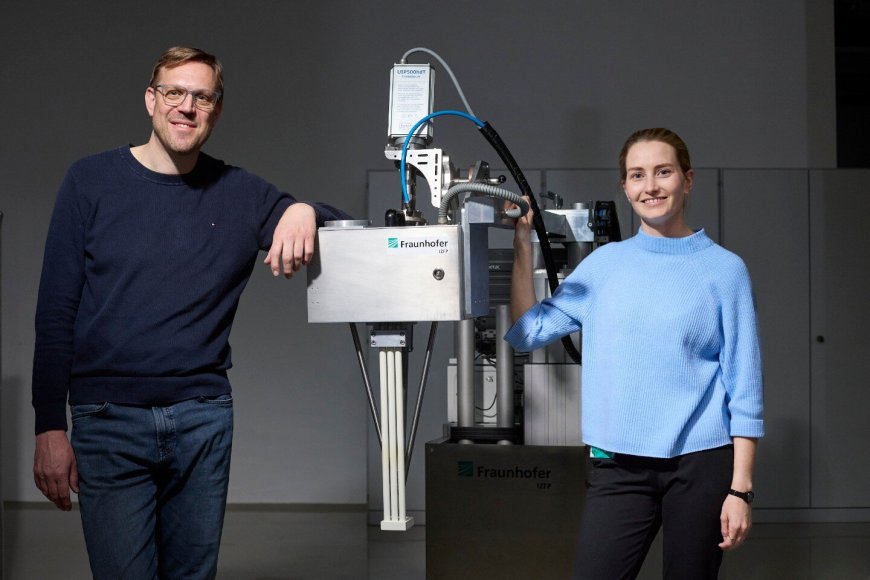
Addressing this critical need, researchers at Fraunhofer Institute for Nondestructive Testing (IZFP) developed the AloX system—a mobile, ultrasound-based measuring device designed specifically for aluminum production. The name "AloX" combines "aluminum melt" and "oxide inclusions," reflecting its core purpose. This innovative system emerged from the collaborative efforts of scientists Thomas Waschkies and Andrea Mross, aiming to provide a practical solution for real-time inclusion detection.
How the AloX System Works
The AloX system operates on principles similar to a car's parking sensor. When immersed in molten aluminum, it emits ultrasound signals that bounce off a reflector. If inclusions are present, they disrupt these signals, allowing the system to detect and identify contaminants instantly. This immediate feedback enables operators to take corrective actions promptly, ensuring the quality of the aluminum being produced.
Designing for Harsh Environments
Foundries present extreme conditions, with high temperatures and corrosive materials. Developing a system capable of withstanding such environments required meticulous engineering. The AloX system incorporates specialized ultrasonic waveguides made from titanium and features built-in cooling mechanisms to protect its components. Its robust design ensures reliable performance even under the most challenging conditions.
Advantages of the AloX System
- Real-time Detection: Provides immediate identification of inclusions, allowing for swift corrective measures.
- Portability: Its mobile design facilitates easy integration into various points of the production line.
- Ease of Use: Designed for operation without the need for specialized training.
- Cost-Effectiveness: Offers a more affordable solution compared to traditional detection methods.
Recognition and Awards
The groundbreaking work on the AloX system earned Thomas Waschkies and Andrea Mross the prestigious Joseph von Fraunhofer Prize in 2025. This accolade recognizes their significant contributions to advancing quality assurance in aluminum production through innovative technology.
Future Developments
Building on the success of the initial AloX system, the team at Fraunhofer IZFP is developing AloX 2.0. This next-generation version aims to enhance performance and broaden its applicability. Beyond aluminum, there is potential for the technology to be adapted for other molten metals and even industries like adhesives and food production, where detecting contaminants is equally crucial.
Conclusion
The integration of ultrasound technology into aluminum production marks a significant leap forward in ensuring material purity and product reliability. The AloX system exemplifies how innovative solutions can address longstanding challenges, offering real-time, efficient, and user-friendly methods for inclusion detection. As the industry continues to evolve, such advancements will play a pivotal role in maintaining high standards of quality and safety.
FAQs
1. What are inclusions in aluminum production?
Inclusions are foreign particles, such as ceramics, that remain solid during the aluminum melting process and can compromise the integrity of the final product.
2. How does the AloX system detect inclusions?
It uses ultrasound signals that, when disrupted by inclusions, indicate the presence of contaminants in the molten aluminum.
3. Can the AloX system be used in other industries?
Yes, while designed for aluminum, the technology has potential applications in other sectors requiring contamination detection in molten materials.
4. Is specialized training required to operate the AloX system?
No, the system is designed for ease of use, allowing operators without specialized training to effectively utilize it.
5. What are the benefits of using ultrasound over traditional detection methods?
Ultrasound provides real-time, non-invasive detection, is cost-effective, and reduces the need for specialized personnel, making it superior to many traditional methods.
What's Your Reaction?
 Like
0
Like
0
 Dislike
0
Dislike
0
 Love
0
Love
0
 Funny
0
Funny
0
 Wow
0
Wow
0
 Sad
0
Sad
0
 Angry
0
Angry
0













Comments (0)