

Used in Covid Shots, mRNA May Help Rid the Body of H.I.V.

Introduction
Despite significant advancements in antiretroviral therapy, HIV remains a global health challenge. One of the primary obstacles in curing HIV is the virus's ability to hide in latent reservoirs within the body, evading both the immune system and medications.
Understanding HIV and Its Latent Reservoirs
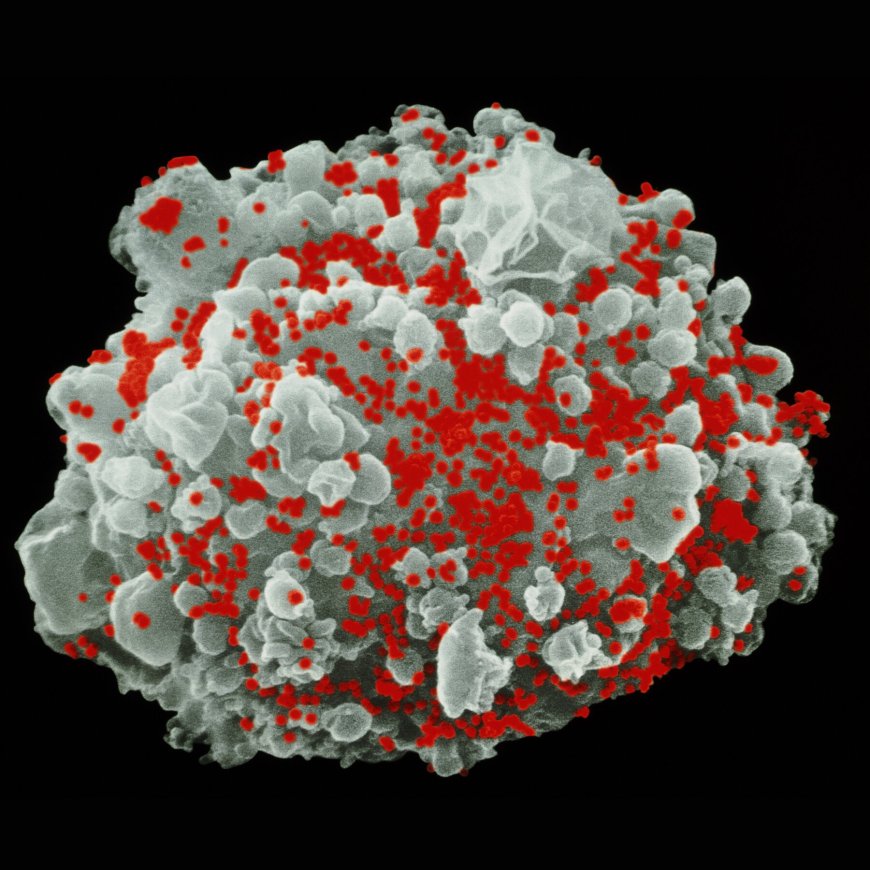
HIV integrates its genetic material into the DNA of host cells, particularly certain white blood cells. These infected cells can remain dormant for years, creating reservoirs that can reignite infection if treatment stops. Targeting and eliminating these hidden reservoirs is crucial for achieving a cure.
The Role of mRNA Technology
Messenger RNA (mRNA) technology gained prominence with the development of COVID-19 vaccines. mRNA serves as a blueprint for cells to produce specific proteins. Scientists are now exploring its potential to instruct cells to expose hidden HIV, making it vulnerable to the immune system.
Breakthrough Research Using mRNA to Expose HIV
Researchers at the Peter Doherty Institute for Infection and Immunity in Melbourne have developed a novel approach using mRNA to reveal dormant HIV. They created specialized lipid nanoparticles, termed LNP X, capable of delivering mRNA into the elusive white blood cells harboring latent HIV.
Mechanism of Action
LNP X nanoparticles transport mRNA into the targeted white blood cells. Once inside, the mRNA prompts the cells to produce proteins that signal the presence of HIV. This reactivation allows the immune system or additional therapies to identify and eliminate the infected cells.
Implications for HIV Cure Strategies
This technique represents a significant step toward eradicating HIV reservoirs. By exposing the hidden virus, it becomes possible to target and destroy these cells, potentially leading to a complete cure when combined with other treatments.
Challenges and Considerations
While promising, this approach is still in the early stages. The current research has been conducted in laboratory settings using cells from HIV patients. Further studies are needed to assess the safety, efficacy, and practicality of this method in living organisms.
Future Directions
The research team plans to conduct animal studies followed by human clinical trials to evaluate the potential of this mRNA-based therapy. Success in these stages could revolutionize HIV treatment and offer insights into curing other latent viral infections.
Conclusion
The innovative use of mRNA technology to expose hidden HIV offers a beacon of hope in the quest for a cure. While challenges remain, this breakthrough paves the way for new strategies to combat and potentially eradicate HIV.
FAQs
1. What makes HIV difficult to cure?
HIV can hide in latent reservoirs within the body, remaining undetectable and unaffected by standard treatments, which makes complete eradication challenging.
2. How does mRNA technology help in HIV treatment?
mRNA can instruct cells to produce proteins that reveal hidden HIV, allowing the immune system or therapies to target and eliminate the infected cells.
3. What are lipid nanoparticles (LNP X)?
LNP X are specially designed fat-based particles that deliver mRNA into specific white blood cells where HIV hides, facilitating the exposure of the virus.
4. Is this mRNA-based approach currently available for patients?
No, this technique is still in the research phase and has not yet undergone animal or human clinical trials.
5. Could this method be applied to other diseases?
Potentially, yes. The ability to deliver mRNA into specific cells could have applications in treating other diseases involving latent infections or hidden pathogens.
What's Your Reaction?
 Like
0
Like
0
 Dislike
0
Dislike
0
 Love
0
Love
0
 Funny
0
Funny
0
 Wow
0
Wow
0
 Sad
0
Sad
0
 Angry
0
Angry
0












Comments (0)